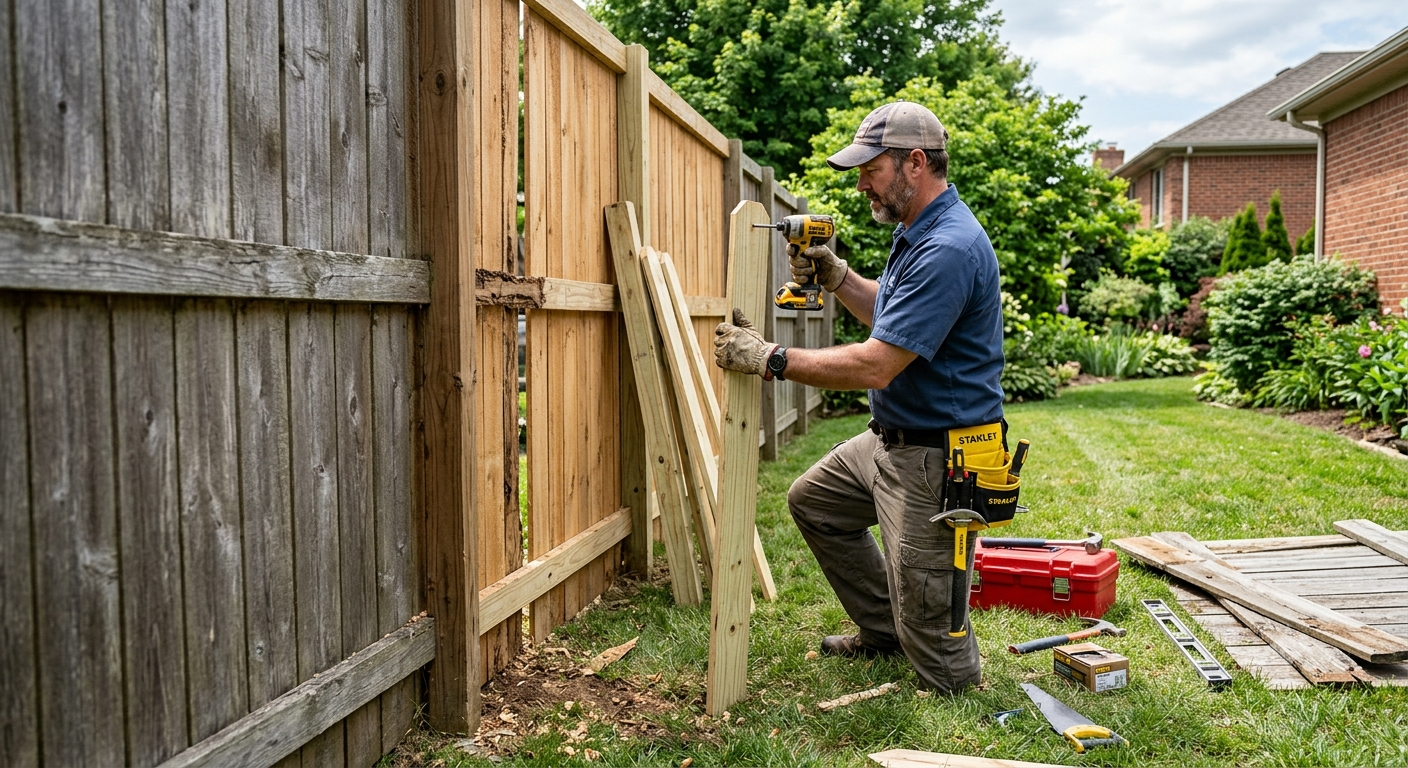
A backyard fence rarely gets much attention until something goes wrong with it. A leaning post, a gap between boards, or a gate that no longer latches properly can turn into a bigger headache the longer it sits unaddressed. Fence repair in Edmond, Oklahoma becomes especially important given the region’s mix of high winds, temperature swings, and clay-heavy soil, all of which can wear down fencing materials faster than homeowners expect. Understanding what causes damage and how to respond early can save both time and money down the road.
Why Fences Wear Down Faster in Oklahoma
Oklahoma’s climate is anything but gentle on outdoor structures. Strong seasonal storms, sudden freezes, and long stretches of summer heat all place stress on wood, vinyl, and metal fencing alike. Soil composition plays a role too, since expansive clay soil tends to shift with moisture levels, which can gradually push fence posts out of alignment.
Homeowners who understand these local conditions are often better prepared to catch problems before they escalate. A fence that looks fine in spring may show signs of strain by late summer once the ground has dried out and contracted.
Common Signs a Fence Needs Attention
Not every issue is obvious at first glance. Some problems develop slowly, while others appear suddenly after a storm. The following signs typically indicate that repair work should not be delayed:
- Visible leaning or wobbling of fence posts
- Cracked, splintered, or rotting wood panels
- Rust stains or corrosion on metal fasteners and hardware
- Gates that stick, sag, or fail to latch securely
- Gaps forming between boards or along the fence line
- Discoloration or mold growth near the base of posts
Ignoring these warning signs often leads to more extensive damage, particularly if moisture continues to seep into weakened wood or if a leaning post eventually gives way entirely.
Repairing Versus Replacing
One of the more practical decisions homeowners face is whether a fence section can be repaired or whether full replacement makes more sense. Minor issues, such as a single loose board or a rusted hinge, are usually straightforward to fix without touching the rest of the structure. However, widespread rot, multiple leaning posts, or significant storm damage often points toward replacing larger sections rather than patching them repeatedly.
A general rule many professionals follow is that if more than 20 to 30 percent of a fence shows structural damage, replacement tends to be more cost-effective than ongoing repairs. This threshold isn’t a strict formula, but it offers a useful starting point for evaluating the scope of the work needed.
Maintenance Habits That Extend Fence Life
Routine upkeep plays a major role in how long a fence lasts. Simple habits, when done consistently, can delay the need for major repairs by several years.
- Inspect posts and hardware at least twice a year, ideally before and after peak storm season
- Reapply sealant or stain to wood fencing every two to three years
- Trim vegetation and grass away from the base to reduce moisture buildup
- Tighten loose screws, bolts, and hinges as soon as they’re noticed
- Clear debris from along the fence line after storms
These steps are not time-consuming, but they add up to meaningful protection against the elements.
Frequently Asked Questions
How often should a fence be inspected?
Twice yearly is generally sufficient, though an extra check after severe weather is a good idea.
Can a leaning post be fixed without replacing the whole panel?
In many cases, yes. Reinforcing or resetting the post in fresh concrete often resolves the issue without touching surrounding sections.
Does wood or vinyl fencing hold up better in Oklahoma weather?
Vinyl tends to resist moisture and pests better, while wood offers a more traditional look but requires more frequent maintenance.
Is it necessary to replace an entire fence after storm damage?
Not always. A professional assessment can determine whether isolated repairs are sufficient or if broader replacement is warranted.
Final Thoughts
Fences serve both practical and aesthetic purposes, from marking property lines to providing privacy and security. Staying attentive to early warning signs and performing routine maintenance can meaningfully extend a fence’s usable life, particularly in a climate known for sudden weather shifts. When damage does occur, evaluating the extent of the problem before deciding between repair and replacement helps avoid unnecessary costs.